
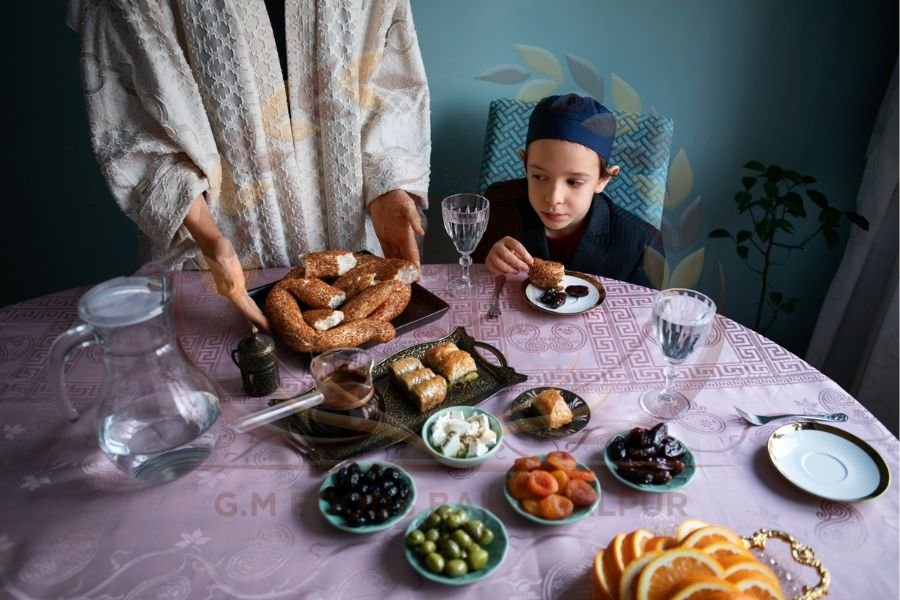
New Year celebrations across Pakistan bring families together around generous dining tables. Traditional hospitality demands abundance, platters of biryani, trays of nihari, mountains of mithai, and endless rounds of chai. This cultural generosity, however, creates health patterns that undermine January wellness intentions before the month ends.
Pakistani families in 2026 face rising diabetes rates exceeding 33% of the population, making festive eating mistakes particularly dangerous. Common errors include excessive consumption of refined flour, sugar overload through constant sweet tea, late-night heavy meals, and ignoring the dietary needs of diabetic or elderly family members.
GM Foods Bahawalpur provides certified alternatives, Sugar-Free Multigrain Flour, Barley Porridge, and Gluten-Free options that preserve traditional eating patterns while supporting family health goals.
Pakistani tea culture drives dangerous sugar intake. The average household prepares 6-8 rounds of chai daily, each cup containing 2-3 teaspoons of sugar. Multiply across family members and guests, and daily sugar consumption reaches alarming levels. Add mithai (gulab jamun, barfi, jalebi) served with every celebration, and blood glucose levels spike repeatedly throughout the day.
The consequences compound during New Year gatherings. Families serve sweets as hospitality markers. Refusing appears rude. This social pressure creates repeated sugar exposure that overwhelms pancreatic function, particularly in pre-diabetic or diabetic family members.
Replace sweetened chai with unsweetened versions or minimal natural sweeteners. Reduce sugar gradually, cut by half-teaspoon weekly until taste adapts. Serve fresh fruit instead of mithai. Dates provide natural sweetness with fiber that moderates glucose absorption. GM Foods Bahawalpur’s Barley Porridge, prepared with minimal honey, satisfies sweet cravings while delivering blood sugar-stabilizing beta-glucan fiber.
White flour (maida) dominates Pakistani celebration foods, such as naan, paratha, samosas, pakoras, biscuits, and cakes. Refined milling strips the grain of bran, germ, and nutrients, leaving pure starch. The body converts this starch to glucose within 30-45 minutes, causing blood sugar spikes followed by crashes that trigger hunger and overeating cycles.
New Year’s meals often feature flour-based foods at every course. Breakfast brings halwa puri. Lunch includes biryani with naan. Evening snacks feature samosas and pakoras. Dinner adds more bread-based items. This refined flour saturation guarantees metabolic stress.
Switch to whole-grain alternatives immediately. Replace maida completely with Sugar-Free Multigrain Flour for rotis and parathas. The blend of whole wheat, barley, millet, black chickpeas, and corn provides complex carbohydrates that release glucose gradually over 2-3 hours. Pathar Chakki Atta offers stone-ground whole wheat that retains natural fiber and nutrients. These substitutions require zero recipe changes; simply use healthier flour in existing preparations.
Pakistani cooking traditionally relies heavily on ghee and edible oils. Parathas swim in ghee. Nihari floats in oil. Deep-fried snacks dominate celebration menus. While ghee contains beneficial nutrients in small amounts, excess consumption contributes to cardiovascular disease, obesity, and inflammation.
The problem intensifies during gatherings when multiple fried items appear simultaneously, such as samosas, pakoras, spring rolls, and fried chicken. Reusing frying oil creates trans fats and harmful compounds that accumulate with repeated heating. Host families feel pressure to demonstrate generosity through oil-rich preparations.
Adopt grilling, baking, and air-frying techniques. Modern cooking methods deliver satisfying textures without excessive oil. Tandoori preparations, oven-roasted vegetables, and air-fried snacks preserve flavor while reducing fat content by 70-80%. When oil use remains necessary, measure quantities rather than pouring freely. Use fresh oil for each frying session; never reuse oil that has darkened or developed off-odors.
New Year’s Eve celebrations often peak near midnight. Families serve elaborate meals between 11 PM and 1 AM, including biryani, kebabs, korma, and multiple desserts. This timing disrupts circadian rhythms and digestive function. The body prepares for rest during evening hours, reducing digestive enzyme production and metabolic activity.
Late-night heavy meals prevent quality sleep. The digestive system works overtime processing food, causing restlessness, acid reflux, and disrupted sleep cycles. Poor sleep elevates stress hormones that raise blood sugar and increase appetite the following day, creating metabolic chaos that extends beyond the celebration.
Serve main meals by 8-9 PM. Keep post-10 PM foods light, fruit platters, nuts, and herbal teas. If celebrations extend late, offer small portions rather than full meals. The following morning, break the fast gently with Wheat Porridge or Barley Porridge rather than a heavy breakfast that compounds digestive stress.
Many families skip breakfast and lunch on New Year’s Day, anticipating an evening feast. This strategy backfires through multiple mechanisms. Extended fasting triggers survival responses, metabolism slows, hunger hormones intensify, and the body primes for maximum calorie absorption when food arrives.
When the evening meal begins, ravenous hunger overrides satiety signals. People consume far more than they would with normal meal spacing. Blood sugar swings wildly, very low during fasting, then dangerously high after rapid food intake. This pattern particularly harms diabetics who require consistent meal timing for blood sugar stability.
Maintain a regular meal schedule even during celebrations. Eat a normal breakfast, Barley Porridge with fruit provides sustained energy and prevents excessive hunger. Have a light lunch with vegetables and protein. This foundation allows controlled portions during evening celebrations. Diabetic family members particularly require consistent meal timing to maintain glucose stability and medication effectiveness.
Celebrations often feature one-size-fits-all menus that ignore diabetic, hypertensive, or elderly family members’ requirements. Well-meaning hosts serve the same sugar-laden chai, refined-flour dishes, and heavy curries to everyone. Diabetic guests face difficult choices, refuse food and appear ungrateful, or consume unsuitable items and risk health consequences.
Elderly family members may have reduced digestive capacity, requiring lighter, easier-to-digest foods. Children need balanced nutrition, not unlimited sweets and fried snacks. These varying needs get overlooked in celebration enthusiasm.
Prepare inclusive menus accommodating all family members. Serve Sugar-Free Multigrain Flour rotis alongside regular options. Offer unsweetened chai or herbal teas with regular chai. Include grilled proteins and steamed vegetables with traditional rich dishes. Label foods clearly, “diabetic-safe,” “low-sodium,” “gluten-free”, so family members can make informed choices. This consideration shows deeper hospitality than an unlimited quantity of unsuitable food.
Pakistani celebration menus typically feature refined grains, meat dishes, and minimal vegetables. This combination creates a fiber deficiency that disrupts digestion, blood sugar control, and satiety signals. The 2026 health trend of “fibermaxxing” recognizes fiber’s crucial role in gut health, metabolic function, and disease prevention.
Adequate fiber slows carbohydrate digestion, preventing glucose spikes. It feeds beneficial gut bacteria that produce compounds supporting immune function and inflammation control. Fiber creates physical fullness that naturally limits overeating. Without sufficient fiber, meals digest rapidly, leaving people hungry shortly after eating despite consuming excessive calories.
Build every meal around a fiber-rich foundation. Start with large vegetable servings, spinach (palak), cauliflower (gobi), bitter gourd (karela), turnips (shaljam). These winter vegetables grow abundantly in Punjab, ensuring freshness and affordability. Use whole-grain flours exclusively; every roti made with Sugar-Free Multigrain Flour or Barley Flour delivers substantial fiber. Serve lentils (dal) at every meal. This combination guarantees 25-35 grams of daily fiber that supports digestive and metabolic health.
Pakistani celebration tables overflow with meat dishes, chicken karahi, mutton nihari, beef kebabs, and biryani. While meat provides quality protein, excessive consumption (particularly red meat) increases cardiovascular disease and diabetes risk. The 2026 flexitarian trend recommends limiting meat to 2-3 days weekly while emphasizing plant proteins.
Heavy meat consumption during gatherings often means minimal vegetable intake. The plate becomes 70% meat and rice with tiny vegetable portions. This imbalance creates nutrient deficiencies despite caloric excess. High protein loads without adequate fiber and hydration can stress kidney function.
Apply the balanced plate principle:
| Plate Section | Food Type | Example |
| Half (50%) | Vegetables | Spinach, cauliflower, salad |
| Quarter (25%) | Protein | Chicken, lentils, chickpeas |
| Quarter (25%) | Whole Grains | Multigrain roti, brown rice |
This distribution ensures adequate vegetables and fiber while moderating meat portions. Include plant proteins, chickpeas, lentils, and besan preparations that deliver protein without saturated fats.
Families often replace water with sweetened beverages, soft drinks, sugary juices, and excessive chai. This pattern causes dehydration that worsens fatigue, headaches, and metabolic stress. The body frequently mistakes thirst for hunger, triggering unnecessary eating.
Adequate hydration supports digestion, nutrient absorption, and toxin elimination. It helps regulate body temperature during crowded gatherings and supports kidney function, processing rich festival foods. Dehydration concentrates blood glucose, artificially elevating readings for diabetic family members.
Keep water constantly accessible. Place water pitchers on every table. Serve herbal teas, green tea, and cinnamon tea, which provide hydration without sugar. Offer fresh fruit with high water content, such as watermelon, oranges, and cucumbers. Aim for 8-10 glasses daily, increasing during extended celebrations. Monitor urine color; pale yellow indicates proper hydration, while dark yellow signals insufficient intake.
The highest-impact change involves flour replacement. Every roti, paratha, and bread-based snack automatically becomes healthier when prepared with certified whole-grain alternatives.
Key substitutions:
These changes require zero cooking skill adjustment. Use identical recipes with superior ingredients. The result: traditional taste with clinical health benefits.
Pakistani hospitality culture encourages generous servings and multiple helpings. Guests feel obligated to accept large portions and seconds. This social dynamic creates overeating pressure unrelated to actual hunger.
Implement subtle portion strategies. Use smaller serving plates that appear full with reasonable portions. Serve food in courses rather than all-at-once buffets that encourage piling plates high. Eat slowly, placing utensils down between bites. This pacing allows satiety signals to register before consuming excessive amounts.
Host families can demonstrate portion-appropriate serving without seeming inhospitable. Offer seconds selectively, fruit, vegetables, and tea, rather than pushing rich main dishes. Frame smaller portions as consideration for guests’ comfort rather than stinginess.
Last-minute cooking often defaults to quick fried foods and convenience items. Advanced planning enables healthier preparations without celebration-day stress.
Plan menus three days ahead. List all dishes, verify ingredient availability, and prepare a shopping list. Prep vegetables the day before, wash, chop, and store properly. Marinate proteins overnight using minimal oil and maximum spices for flavor. Order GM Foods Bahawalpur products early, Sugar-Free Flour, Barley Porridge, specialty flours, ensuring availability during high-demand periods.
This preparation allows grilled, baked, and steamed dishes that require time but deliver superior nutrition. The planning removes the excuse that healthy cooking takes too long.
Five years of serving Punjab families established GM Foods Bahawalpur as the trusted source for health-focused staples. Punjab Food Authority certification guarantees hygienic manufacturing. PCSIR testing confirms gluten-free product safety. Doctor recommendations validate clinical appropriateness for diabetic and special dietary needs.
Multiple pack sizes accommodate celebration cooking volumes. Order 5-10 kg Sugar-Free Multigrain Flour for large gatherings. Stock Barley Porridge for a healthy breakfast recovery following late celebrations. Gluten-Free Flour enables inclusive baking that celiac family members can safely enjoy.
Local Bahawalpur operation provides accountability and accessibility. Contact directly via WhatsApp (+92 334 7206245) for celebration-ready orders. Delivery reaches across Punjab, Multan, Lodhran, Chiniot, and surrounding areas.
Make 2026 your year of celebration without health compromise. Choose certified nutrition from GM Foods Bahawalpur for every family gathering.