Barley Flour (Jau Atta) in Pakistan: Benefits, Uses, and Buying Guide
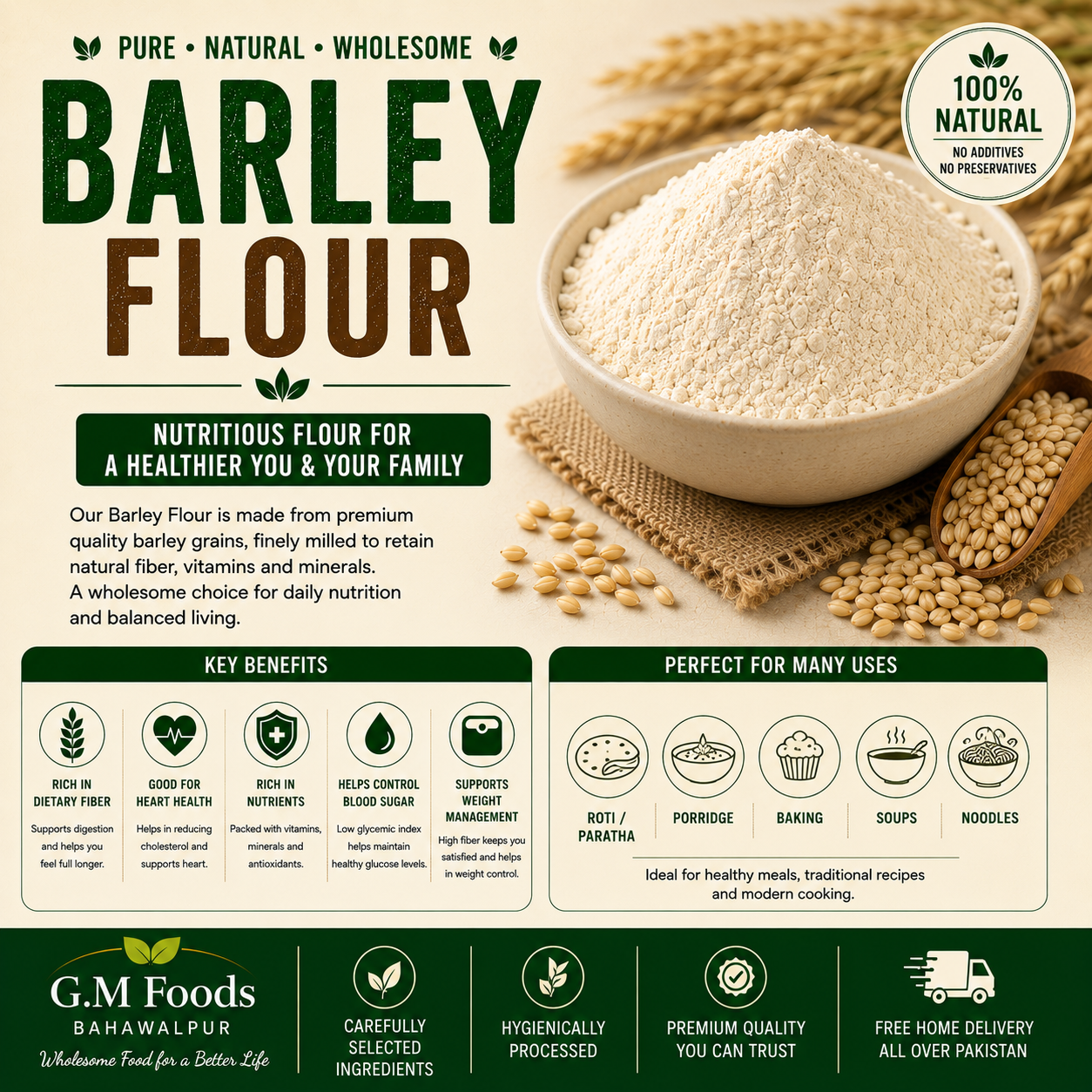
Barley flour, known as jau atta in Pakistan, has been used in South Asian households for generations, often recommended by elders for digestive health and weight management. As more families look for grains beyond regular wheat, barley flour is regaining attention for good reason. This guide covers its nutritional value, health benefits, and how to use it well in everyday cooking.
What Is Barley Flour?
Barley flour is made by grinding whole barley grains into a fine powder. It has a slightly earthy, nutty flavor and a denser texture compared to regular wheat atta. In Pakistani households, it is traditionally mixed with wheat flour rather than used entirely on its own, since barley lacks the same gluten strength needed for soft, stretchy roti.
Nutritional Benefits of Barley Flour
- Rich in beta-glucan fiber – a soluble fiber known to support healthy cholesterol levels and slow glucose absorption
- Good source of protein – higher protein content than many refined flours
- Contains essential minerals – including selenium, manganese, and phosphorus
- Lower glycemic impact – due to its high fiber content, it causes a gentler rise in blood sugar compared to refined wheat flour
- Supports satiety – the fiber content helps you feel full longer after meals
Health Benefits of Including Barley Flour in Your Diet
- Digestive health – the fiber content supports regular bowel movements and feeds beneficial gut bacteria
- Blood sugar management – beta-glucan fiber slows carbohydrate digestion, making it a useful addition for people managing blood sugar levels
- Heart health support – soluble fiber is associated with helping maintain healthy cholesterol levels
- Weight management support – the combination of fiber and protein promotes fullness, which can help with portion control
- Sustained energy – slower digestion means a steadier release of energy rather than quick spikes and crashes
How Barley Flour Is Traditionally Used
- Mixed with wheat atta – the most common approach in Pakistani homes, typically blended in varying ratios depending on taste preference and health goals
- Barley porridge (jau ka dalia) – a traditional breakfast or recovery food, often recommended for digestive rest
- Soups and gravies – used as a natural thickener with added nutritional value
- Baked goods – combined with wheat flour in some bread and biscuit recipes for added fiber
Why Barley Flour Is Rarely Used Alone
Barley contains a different type of gluten protein than wheat, one that does not develop the same elasticity needed for soft, stretchy roti. This is why it is almost always blended with wheat flour in a ratio that balances nutritional benefits with the texture Pakistani households expect from their daily roti. A common approach is starting with a smaller proportion of barley flour and gradually increasing it as the family adjusts to the taste and texture.
What to Look For When Buying Barley Flour
- Whole grain processing – ensuring the bran and germ are retained for maximum fiber and nutrient content
- Hygienic packaging and certification – confirming the flour was milled and packed under verified food safety standards
- Freshness – barley flour, like other whole grain flours, can lose potency and develop off flavors if stored too long
- Consistent grind quality – for predictable texture when blending with wheat atta
Storage Tips
- Store in an airtight container to prevent moisture absorption
- Keep in a cool, dry place away from direct sunlight and heat
- Buy in quantities you will use within a few months for the best flavor and nutritional value
- Refrigeration can help extend shelf life, especially in hot climates
How to Get the Best Results When Cooking
- Start with a blend of roughly 20 to 30 percent barley flour to wheat flour if you are new to it, adjusting to taste over time
- Knead the dough a little longer to help develop workable texture, since barley lacks the same elasticity as pure wheat
- Let the dough rest for 15 to 20 minutes before rolling
- Roll slightly thicker than pure wheat roti for the best texture and to prevent tearing
Choosing a Trusted Barley Flour Brand in Pakistan
Since barley flour quality can vary significantly based on grain source and processing, prioritize brands that:
- Use whole grain barley rather than heavily refined versions
- Hold recognized food safety certification
- Package the product to protect against moisture and maintain freshness
- Have genuine customer reviews confirming consistent quality
GM Foods Bahawalpur’s Barley Flour (Jau Atta) is milled from quality whole grain barley and hygienically packed under Punjab Food Authority certification, offering a reliable option for families looking to add barley’s nutritional benefits to their daily meals.
Frequently Asked Questions
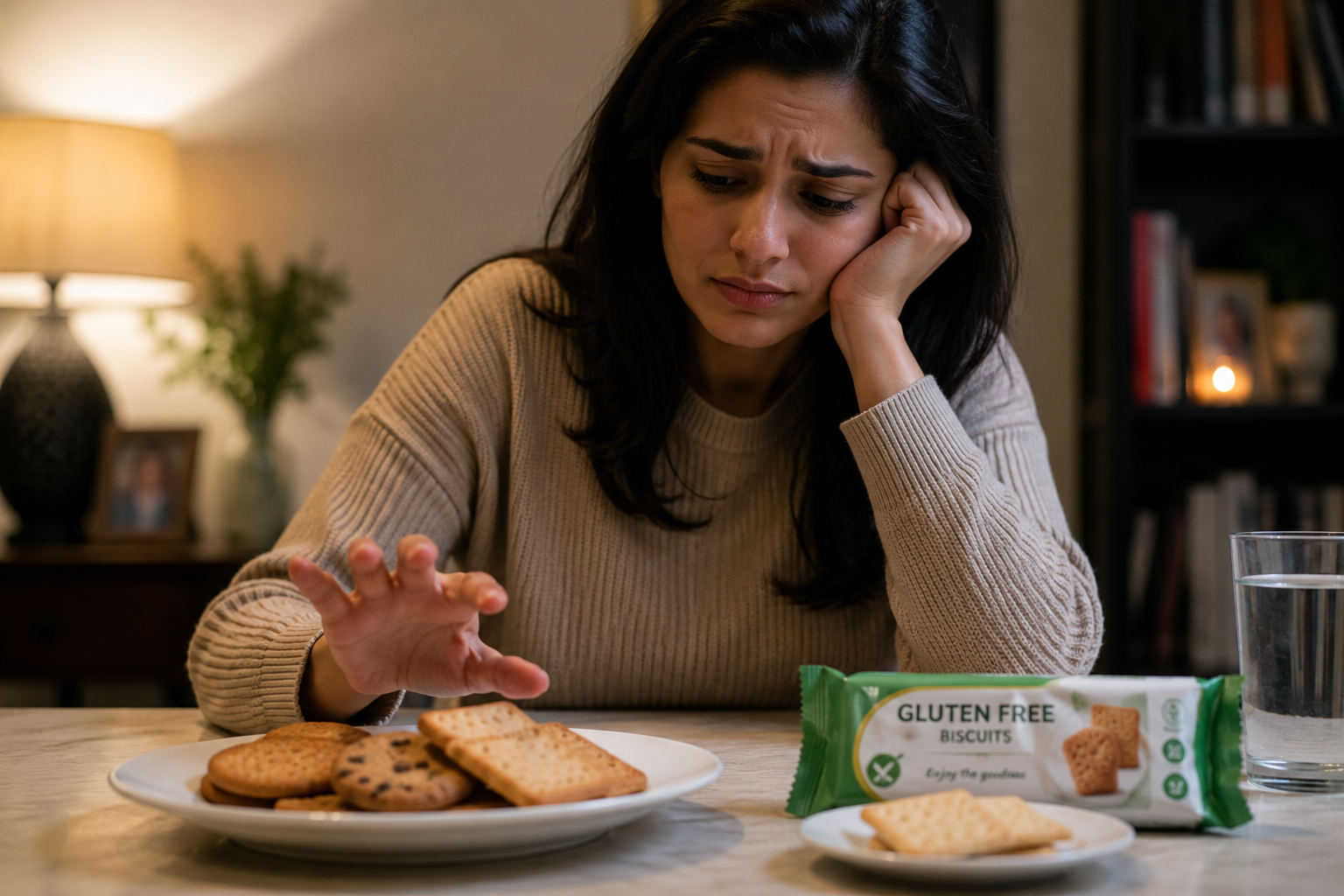
Is barley flour gluten-free? No. Barley contains gluten, so it is not suitable for people with celiac disease or gluten intolerance, even though its gluten structure differs from wheat.
Can barley flour be used alone for roti? It is possible but not common, since it lacks the elasticity needed for soft, pliable roti on its own. It is usually blended with wheat flour for the best texture.
Is barley flour good for diabetics? Its high beta-glucan fiber content can help slow blood sugar spikes, making it a useful addition to a diabetic-friendly diet, though it should be part of a broader dietary plan discussed with a doctor or nutritionist.
How is barley flour different from wheat flour? Barley flour has higher fiber content, particularly beta-glucan, and a denser, earthier flavor, but it lacks the same gluten elasticity that makes wheat flour ideal for soft, stretchy roti on its own.
This article is for general informational purposes. Please consult a nutritionist or doctor for advice specific to your dietary needs.