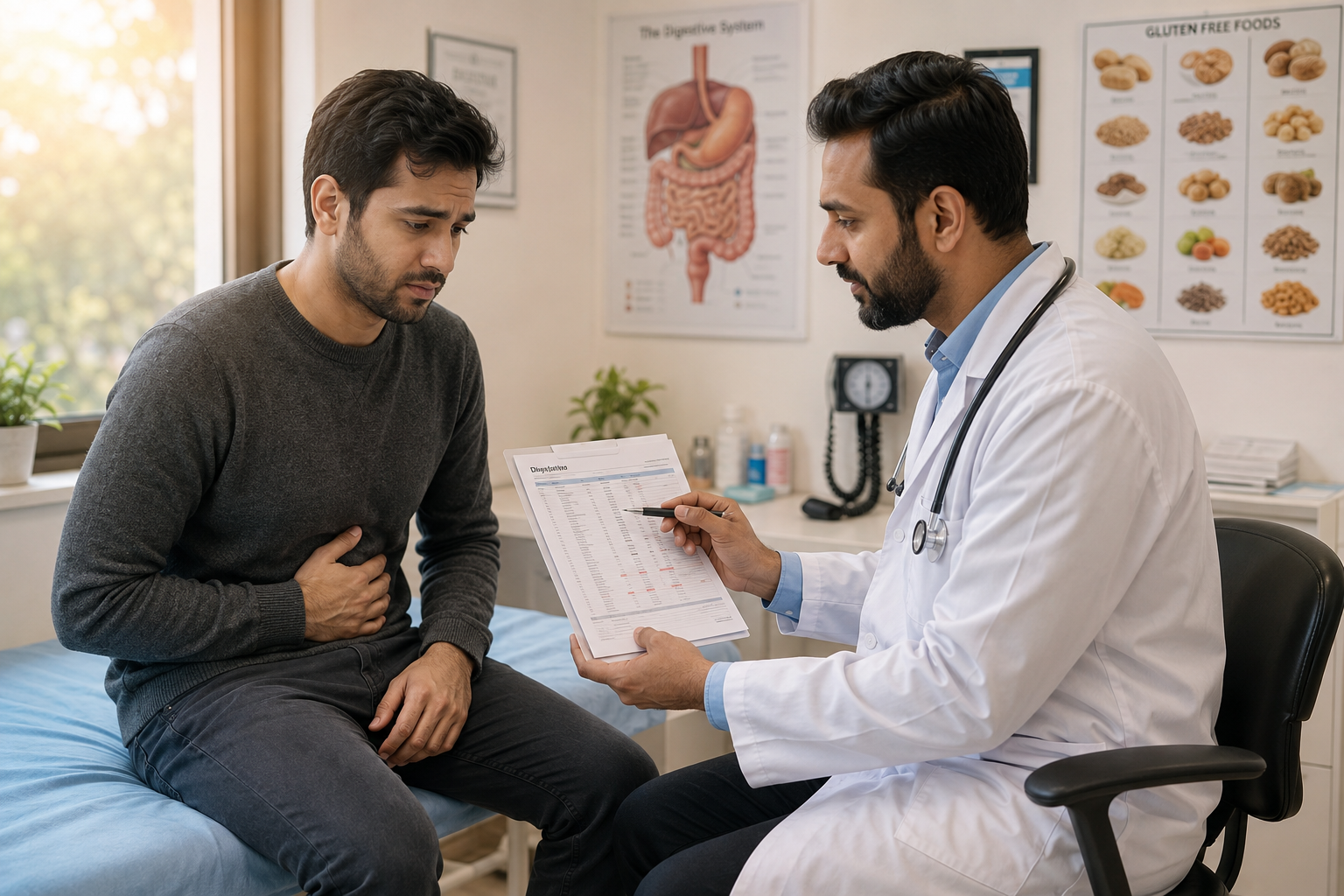
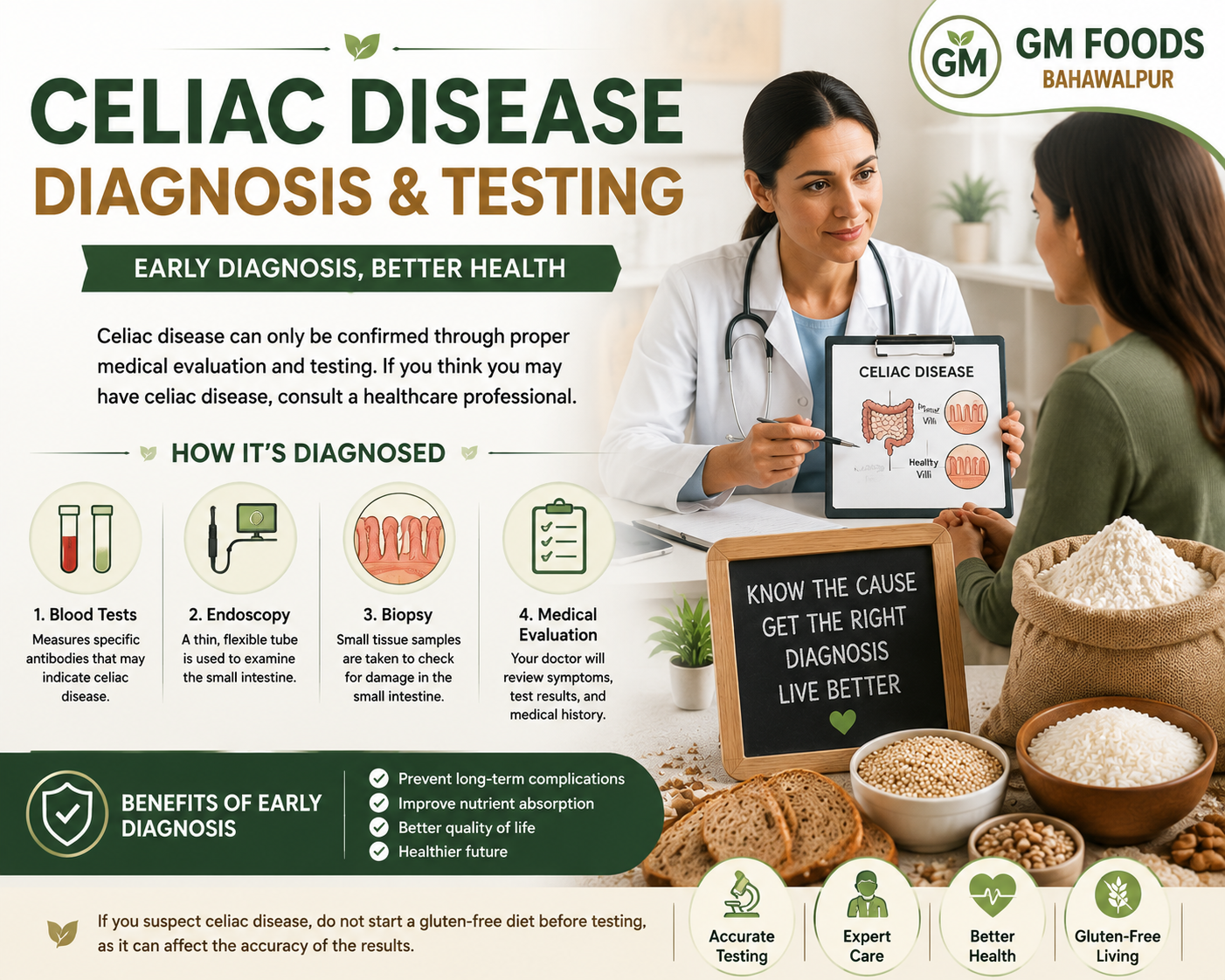
Celiac disease is an autoimmune disorder triggered by gluten, a protein found in wheat, barley, and rye. While blood tests are the first step in diagnosis, they cannot always confirm the condition on their own.
In many cases, doctors recommend an upper endoscopy with a small intestine biopsy, which is considered the gold standard for confirming celiac disease in adults.
An upper endoscopy is a medical procedure that allows a doctor to examine the upper digestive tract using a thin, flexible tube called an endoscope.
The endoscope has:
The procedure allows the doctor to closely examine the esophagus, stomach, and the first part of the small intestine (duodenum).
A biopsy is the removal of very small tissue samples from the lining of the small intestine.
These samples are examined under a microscope by a pathologist to check for damage caused by celiac disease.
The biopsy helps determine whether gluten has damaged the intestinal villi, which are tiny finger-like structures responsible for absorbing nutrients.
A biopsy can:
Your healthcare provider may recommend an endoscopy if:
The procedure usually takes 15 to 30 minutes.
During the procedure:
Most patients go home the same day.
No.
Because sedation is commonly used, most patients experience little or no discomfort during the procedure.
Some people may have:
These symptoms usually resolve quickly.
Yes.
You should continue eating gluten before both blood tests and biopsy unless your doctor specifically instructs otherwise.
Stopping gluten too early may allow the intestine to heal, making it difficult to confirm the diagnosis.
A pathologist examines the tissue for signs of damage, including:
If these findings are present along with positive blood tests and symptoms, celiac disease can usually be confirmed.
Yes.
A normal biopsy may occur if:
Your doctor will interpret the biopsy together with your medical history and blood test results.
Upper endoscopy is considered a safe procedure.
Rare complications include:
Your healthcare team will explain these risks before the procedure.
Many adults require a biopsy to confirm celiac disease. In some pediatric cases, international guidelines may allow diagnosis without a biopsy under specific circumstances.
Results are typically available within a few days to two weeks, depending on the laboratory.
Most patients can resume eating after the sedation wears off, following their doctor’s advice.
An upper endoscopy with a small intestine biopsy remains one of the most reliable methods for confirming celiac disease. When combined with blood tests, symptoms, and medical history, it helps doctors make an accurate diagnosis and begin appropriate treatment.
If your doctor recommends an endoscopy, it is an important step toward protecting your long-term digestive health and ensuring you receive the right care.
GM Foods Bahawalpur is committed to spreading awareness about celiac disease and supporting people with medically necessary gluten-free diets through education and high-quality gluten-free food products.