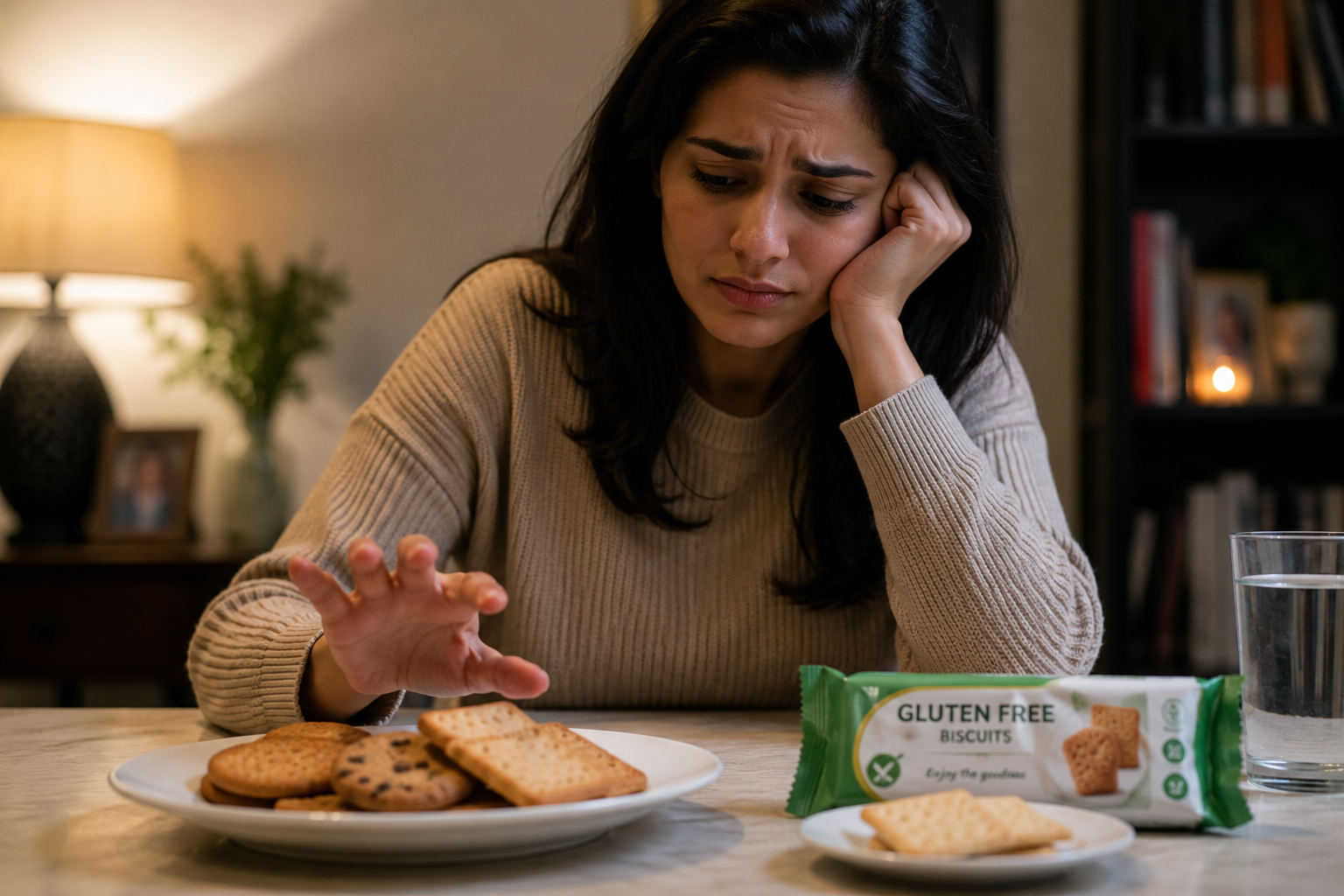

Living with celiac disease or a wheat allergy in Pakistan can feel isolating, especially in a food culture built around roti, paratha, and naan. Finding a reliable gluten free atta that actually tastes good, holds together, and fits into everyday Pakistani cooking is not always easy. This guide covers everything you need to know about gluten free flour, who needs it, what to look for, and how to use it in your kitchen.
Gluten is a protein found in wheat, barley, and rye. It gives dough its elasticity, which is why regular atta stretches and holds its shape when you make roti. For most people, gluten is harmless. But for people with celiac disease, it triggers an immune reaction that damages the small intestine. For others with non-celiac gluten sensitivity or a wheat allergy, it can cause bloating, fatigue, skin issues, and digestive discomfort.
Not all gluten free flours are equal. Many crumble, taste bland, or produce rotis that break apart. A good gluten free flour blend should deliver:
The best gluten free atta blends typically combine several naturally gluten-free ingredients, each contributing something different:
Labels can be misleading. Before trusting any brand, check for:
If a brand cannot show you an actual certificate or lab report, treat the “gluten free” label with caution, especially if you have celiac disease where even trace amounts of gluten can cause harm.
A quality gluten free atta blend isn’t limited to roti and chapati. It can also be used for:
With more brands entering the gluten free space in Pakistan, it helps to prioritize companies that:
GM Foods Bahawalpur’s Gluten Free Flour, for example, is produced under Punjab Food Authority certification and has been tested by PCSIR Lahore using the ELISA method, with the official report confirming no gluten detected in the sample. The blend combines white rice, brown rice, maize, tapioca, moong lentils, gram lentils, ispaghol husk, and xanthan gum, designed specifically to produce soft, workable rotis rather than the dense, crumbly texture common in many gluten free products.
Is gluten free flour the same as low-carb flour? No. Gluten free flour removes gluten-containing grains but can still be high in carbohydrates depending on the ingredients used.
Can people without celiac disease eat gluten free flour? Yes. It is generally safe for anyone, though it is not inherently “healthier” for people without gluten-related conditions, it is a specific solution for a specific need.
How do I know if a product is genuinely gluten free and not just marketed that way? Look for third-party lab testing and food authority certification, not just packaging claims.
Does gluten free atta taste different? It can have a slightly different texture and flavor compared to wheat atta, but well-formulated blends using multiple grains and legumes come very close to the traditional taste and texture.
This article is for general informational purposes and does not replace medical advice. If you suspect celiac disease or a wheat allergy, please consult a doctor before making dietary changes.