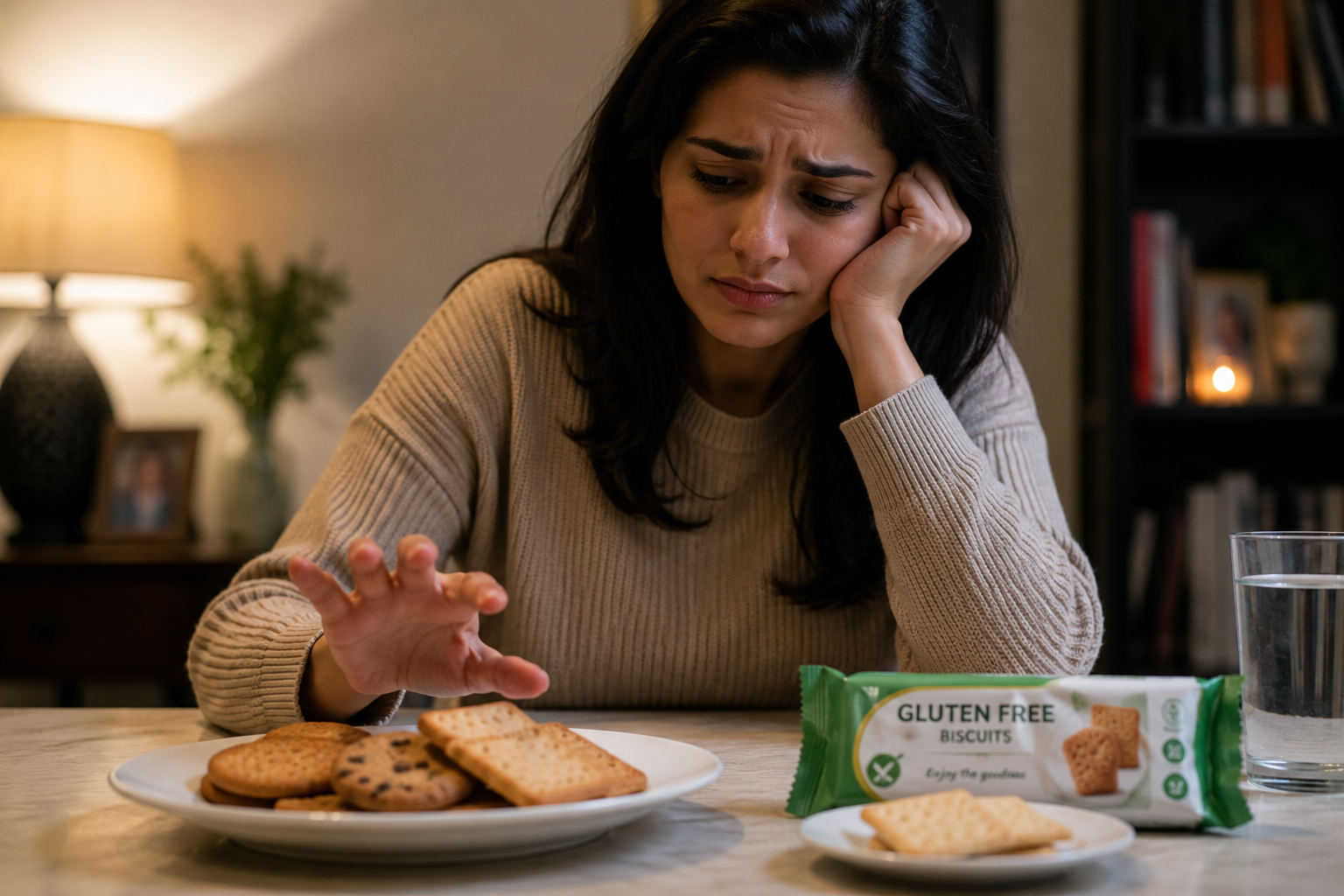

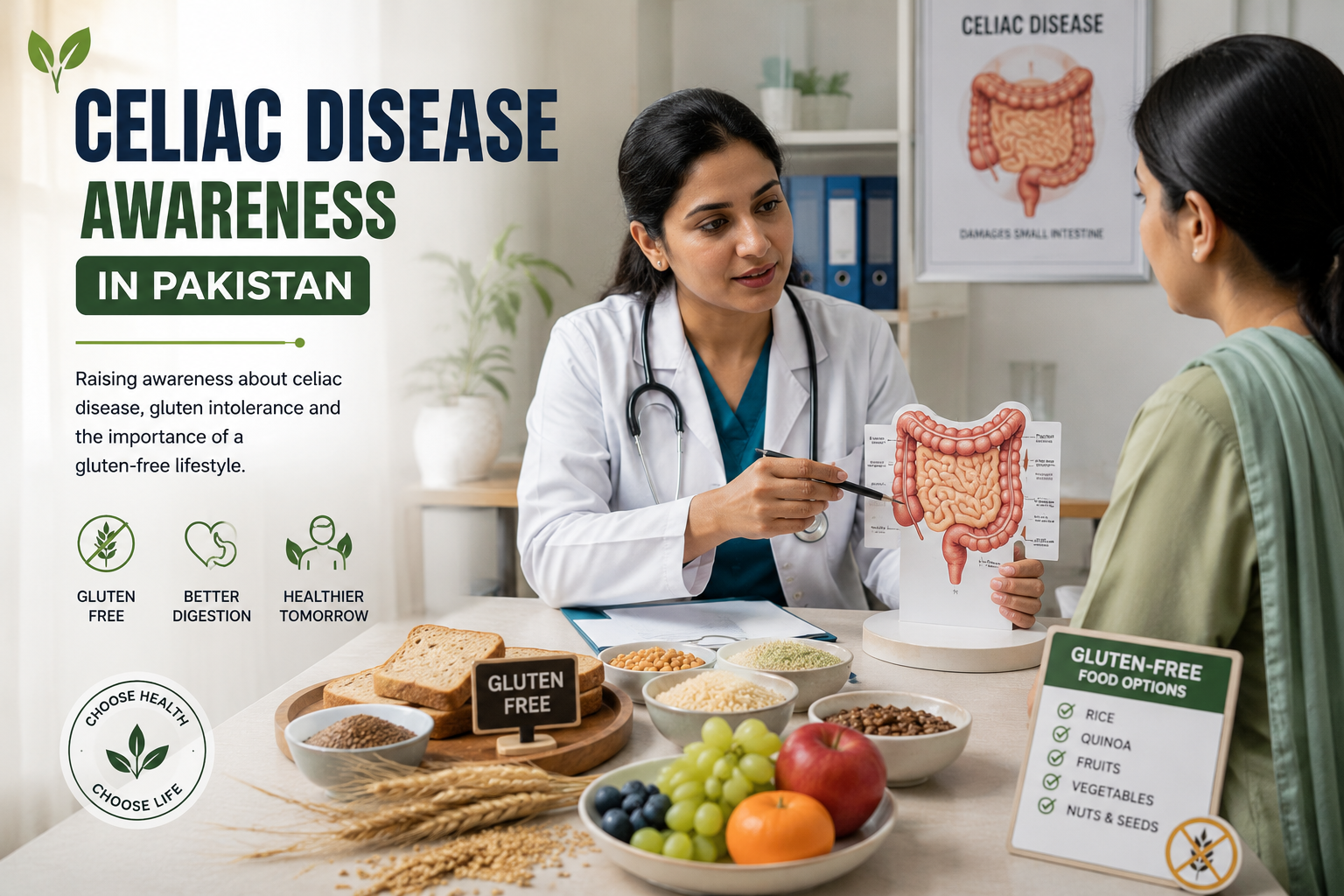
Celiac disease is a serious autoimmune disorder in which the body’s immune system reacts abnormally to gluten. Gluten is a protein naturally found in wheat, barley, and rye.
When someone with celiac disease eats foods containing gluten, the immune system attacks the lining of the small intestine. Over time, this damage reduces the intestine’s ability to absorb essential nutrients, which can lead to vitamin deficiencies, anemia, osteoporosis, weight loss, and many other health problems.
Although celiac disease affects millions of people worldwide, many cases remain undiagnosed because its symptoms often resemble other digestive conditions.
Gluten is a naturally occurring protein found in:
It gives dough its elasticity and helps bread maintain its shape. While gluten is safe for most people, individuals with celiac disease must completely avoid it.
Researchers believe celiac disease develops due to a combination of:
Having a close family member with celiac disease increases the risk of developing the condition.
Symptoms vary from person to person. Some people experience digestive problems, while others have symptoms unrelated to the digestive system.
Common symptoms include:
Children may also experience delayed growth, poor weight gain, irritability, and nutritional deficiencies.
Diagnosis should always be performed by a qualified healthcare professional.
The diagnostic process may include:
Important: Do not stop eating gluten before testing unless advised by your doctor, as this can affect the accuracy of the results.
Currently, there is no cure for celiac disease.
The only effective treatment is a strict lifelong gluten-free diet.
This means avoiding all foods that contain wheat, barley, and rye.
Most people notice significant improvement within weeks or months after eliminating gluten, although intestinal healing may take longer.
People with celiac disease should avoid:
Always read ingredient labels carefully.
Many healthy foods are naturally gluten-free, including:
Always check packaged products for possible cross-contamination if you have celiac disease.
Untreated celiac disease may increase the risk of:
Early diagnosis and proper dietary management can greatly improve long-term health.
Living gluten-free can be challenging because many traditional foods contain wheat. However, awareness is increasing, and more gluten-free products are becoming available.
When shopping:
No. It is an autoimmune disease, not a food allergy.
There is currently no cure, but symptoms can usually be managed effectively with a strict gluten-free diet.
Yes. It can occur at any age, including infancy and childhood.
Not necessarily. A gluten-free diet is medically necessary for people with celiac disease and some individuals with non-celiac gluten sensitivity, but it is not automatically healthier for everyone.
Celiac disease is a lifelong autoimmune condition that requires complete avoidance of gluten. With early diagnosis, proper medical guidance, and a carefully planned gluten-free diet, people with celiac disease can live healthy and active lives.
If you or a family member experiences persistent digestive symptoms or suspects gluten-related problems, consult a qualified healthcare professional for proper evaluation before making major dietary changes.
G.M Foods Bahawalpur is committed to promoting awareness about gluten-related disorders and providing high-quality gluten-free food options for people following a gluten-free lifestyle in Pakistan.
Suggested Internal Links: