
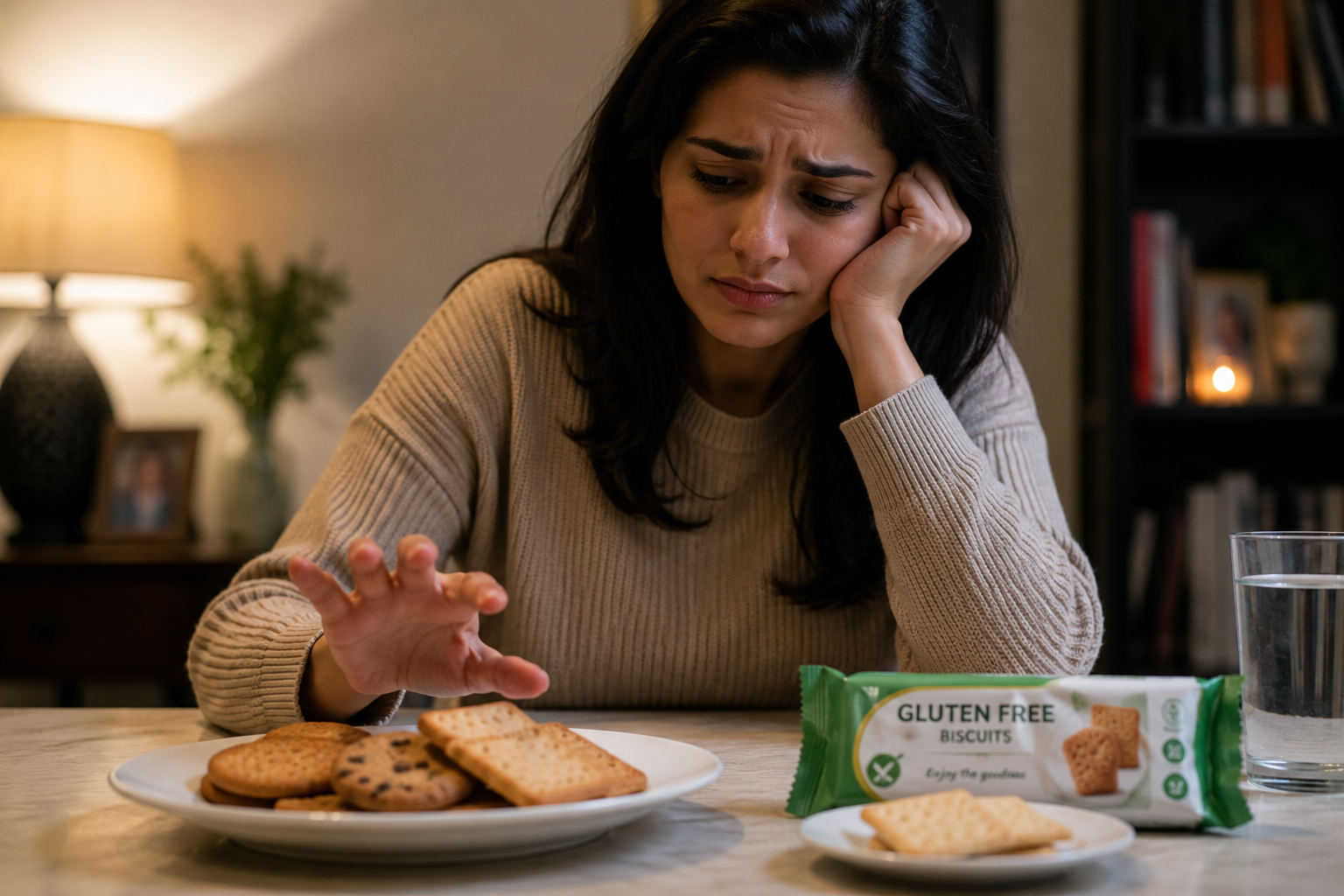
Finding a genuinely good gluten-free biscuit in Pakistan used to mean settling for something dry, crumbly, or bland. As demand for celiac-friendly and gluten-sensitive options grows, quality gluten-free biscuits are finally becoming more common, and more enjoyable. This guide covers what makes a gluten-free biscuit worth choosing, who benefits from them, and how to judge real quality versus marketing claims.
Gluten free biscuits are baked using flour blends made from naturally gluten-free ingredients such as rice flour, corn flour, tapioca, and gram flour, instead of wheat flour. Since these alternative flours lack gluten’s natural elasticity and structure, gluten-free biscuit recipes typically rely on additional binding ingredients, like xanthan gum or psyllium husk, to achieve a texture close to traditional wheat-based biscuits.
Baking without gluten is genuinely more difficult than most people realize. Gluten is what gives traditional biscuits their snap, structure, and even texture. Without it, many gluten-free biscuits end up:
A well-made gluten-free biscuit should avoid all of these issues, offering a satisfying texture and flavor that does not feel like a compromise.
Since gluten cross-contamination can happen even when a recipe itself is gluten-free, for example if the biscuits are baked in a facility that also processes wheat, it is worth checking for:
For people with celiac disease specifically, even small amounts of cross-contamination can trigger a reaction, so verified testing matters more than for those simply avoiding gluten by preference.
Since taste, texture, and safety all matter for this category, prioritize brands that:
GM Foods Bahawalpur’s Gluten Free Biscuits are produced using a carefully balanced gluten-free flour blend and hygienically packed under Punjab Food Authority certification, aiming to give families a snack that does not feel like a compromise, whether they are managing celiac disease or simply exploring gluten-free options.
Are all gluten-free biscuits automatically safe for celiac disease patients? Not necessarily. Cross-contamination during manufacturing can still introduce trace gluten. Look for brands with verified lab testing and clear manufacturing standards.
Do gluten-free biscuits taste different from regular biscuits? They can have a slightly different texture, often less crisp or slightly denser, though well-formulated recipes using balanced flour blends and proper binding agents come very close to traditional taste and texture.
Can people without gluten sensitivities eat gluten-free biscuits? Yes, they are generally safe for anyone to eat, though they are formulated specifically to address gluten-related dietary needs rather than offering additional health benefits for those without such needs.
Why do some gluten-free biscuits crumble so easily? This usually happens when the flour blend lacks proper binding agents like xanthan gum or psyllium husk, or when the ratio of these ingredients has not been well balanced in the recipe.
This article is for general informational purposes and does not replace medical advice. If you have celiac disease or a wheat allergy, please consult a doctor and verify manufacturing standards before consuming any packaged gluten-free product.